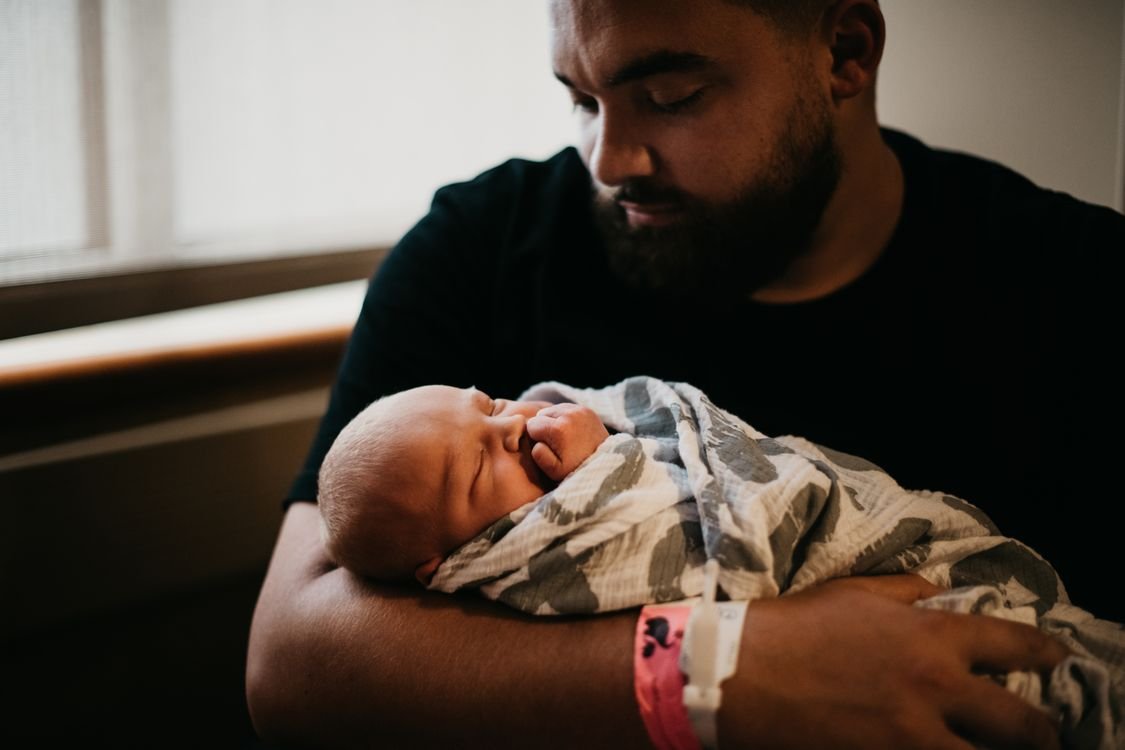
No small employer wants the phone call that brings this subject. An employee has lost a child, and you have to get the law right. Parental bereavement leave and pay, often called Jack’s Law, gives that employee two weeks away from work, with statutory pay for those who qualify. Leave and pay have different tests, notice rules change after eight weeks, and the figures changed in April 2026.
The 2026/27 figures at a glance
| Item | 2026/27 figure |
|---|---|
| Statutory Parental Bereavement Pay (SPBP) | £194.32 a week, or 90% of average weekly earnings, whichever is lower |
| Maximum SPBP | 2 weeks, so £388.64 in total |
| Lower Earnings Limit | £129 a week average earnings over 8 weeks |
| Service needed for the leave | None, a day-one right |
| Service needed for the pay | 26 weeks continuous employment by the end of the relevant week |
| HMRC reclaim | 92%, or 109% with Small Employers’ Relief |
| Leave window | 1 or 2 weeks, within 56 weeks of the death or stillbirth |
The relevant week ends on the Saturday before the week of the death or stillbirth; earnings are averaged over the eight weeks ending with it. Since 90% of earnings passes £194.32 at about £216 a week, almost every full-time worker gets the flat rate; a part-timer on £129 gets £116.10.
Who qualifies: the leave test and the pay test are different
This is the most common mistake: leave and pay are two separate rights, and an employee can qualify for one and not the other.
The leave is a day-one right: any employee who loses a child under 18, or whose baby is stillborn after 24 weeks, can take two weeks from day one, with no minimum service and no earnings test. Two weeks are available for each child who has died, and both parents can qualify separately. Parent covers biological and adoptive parents, parents through surrogacy, a qualifying parent’s partner, and anyone with day-to-day care of a child who lived with them for four continuous weeks.
The pay has three extra conditions in Great Britain: 26 weeks of continuous employment up to the end of the relevant week, still employed on the day of the death or stillbirth, and average weekly earnings of at least £129 over the eight weeks. Miss any one and there is no statutory pay, though the leave still stands. If so, say so in writing and send form SPBP1 within 28 days, with the reason on it. They can ask HMRC’s Statutory Payments Disputes Team to review it within six months.
How much leave, and when it can be taken
A week of leave means the employee’s normal working week, so two weeks means four working days off for someone who works two days a week, not ten. The leave can be taken as one block of two weeks, as two separate one-week blocks, or as a single week only, never a day at a time, and all of it must finish within 56 weeks of the death or stillbirth.
That long window matters: many parents take the first week immediately and save the second for a difficult date, such as the child’s birthday.
Holiday builds up, pension carries on, and the employee returns to the same job. A stillbirth after 24 weeks can also trigger maternity, paternity or shared parental leave and pay; our statutory paternity pay guide covers the paternity rules.
Notice rules: what to ask for, and what you cannot ask for
Notice rules are deliberately light, and they change at the eight-week mark. For leave starting within eight weeks of the death, the employee only has to tell you before their normal start time on the first day of the week, by phone, voicemail, text or email. For leave starting nine to 56 weeks after the death, they must give at least one week’s notice; the same applies to cancelling a booked week.
Ask for three things only: the date of the death or stillbirth, the start date, and whether they are taking one week or two. You cannot require the notice in writing, ask for a death certificate or other proof, or ask for details of their relationship to the child. Keep a short note of what was agreed, with the dates.
The pay claim has a deadline that can pass while everyone is still coping: the employee must ask in writing within 28 days of the first day of the week claimed, with a declaration that they meet the conditions. Put that deadline in writing at the first conversation.
What the pay costs you, and what HMRC gives back
Two weeks at the full rate costs £388.64, taxed as ordinary wages. What you get back depends on your total Class 1 National Insurance bill in the last complete tax year before the relevant week. Above £45,000, you reclaim 92%: £357.55 back on £388.64, leaving a net cost of £31.09. At £45,000 or less, Small Employers’ Relief gives 109%: £423.62 back, covering the payment plus £34.98 towards your employer National Insurance. Most small businesses fall under the £45,000 line, so check last year’s figure first.
Reclaim through payroll in your Employer Payment Summary (EPS) to HMRC, and check £194.32 is loaded in payroll, not the old £187.18 rate. If you cannot afford to pay upfront, HMRC can advance the funding. Keep the records for three years after the end of the tax year: the pay period start date, the evidence given, the weeks and amounts paid, and any week not paid, with the reason.
Stillbirth, miscarriage and the Northern Ireland difference
In Great Britain (England, Scotland and Wales), the right covers a child dying under 18 and a stillbirth from 24 weeks. A miscarriage before 24 weeks gives no statutory right to parental bereavement leave or pay there; the employee may need sick leave, or compassionate leave under your own policy. Our statutory sick pay guide covers the 2026 sick pay rules, including day-one entitlement and the £123.25 weekly rate.
Northern Ireland makes its own employment law, and since 6 April 2026 it has gone further: the leave and pay also cover a miscarriage before 24 weeks, including losses after medical interventions such as an ectopic or molar pregnancy. The right belongs to the person who was pregnant and their partner, and the pay is a day-one right, with no 26-week service test. The £129 earnings test still applies, estimated for a new starter, and no medical evidence is needed, only a declaration. The Northern Ireland right dates from 6 April 2022; for earlier bereavements the older rules still apply.
| Rule | Great Britain | Northern Ireland, from 6 April 2026 |
|---|---|---|
| Miscarriage before 24 weeks | No statutory leave or pay | Two weeks of leave and pay |
| Service needed for the pay | 26 weeks continuous employment | None, a day-one right |
| Earnings test for the pay | Average £129 a week over 8 weeks | Average £129 a week, estimated if new |
| Evidence | Declaration, no death certificate | Self-declaration, no medical evidence |
What to do when an employee tells you
Follow these steps in order. Listen first, and ask for nothing in writing at that moment. Say you are sorry, confirm the leave is theirs to take, and ask what they want colleagues to be told. Agree the start date and whether they are taking one week or two, then confirm it in a short message. Run the two tests separately: leave needs employee status only; pay needs 26 weeks of service, employment on the day of the death, and earnings of at least £129 a week. Tell them the pay position in writing, with the 28-day claim deadline. Load the payment into payroll at the lower of £194.32 and 90% of earnings, and reclaim it through the EPS at 92% or 109%. If they do not qualify for the pay, send form SPBP1 within 28 days with the reason. Arrange cover, and diary a check-in for their return.
Do not confuse this with time off for dependants, a short unpaid right for a dependant’s emergency. When a child dies, the parental bereavement right applies. Add the procedure to your essential HR policies and your employee handbook. If you are hiring your first employee, build it in from the start using our employing staff first time checklist.
What is changing in 2027
Neither change alters what you owe an employee today. The Employment Rights Act 2025 creates a wider day-one right to up to two weeks of unpaid bereavement leave, covering the loss of a close relative and pregnancy loss before 24 weeks. It is due in April 2027, but the detail regulations have not yet been made, and it will not reach Northern Ireland. The pay rate is also set to rise: the Department for Work and Pensions has proposed £201.11 a week for 2027/28, and a £133 earnings floor. That is a proposal, not yet law, so use £194.32 now.
The bottom line
Parental bereavement leave is a day-one right to two weeks off for each child who dies under 18, or is stillborn after 24 weeks. The pay is £194.32 a week or 90% of average weekly earnings, whichever is lower, for employees with 26 weeks of service and earnings of at least £129 a week. In Northern Ireland, miscarriage is covered and the pay is a day-one right. Avoid treating leave and pay as one test, asking for a death certificate, applying the Great Britain miscarriage position in Northern Ireland, or using the old £187.18 rate. Get the two tests right, respect the notice rules, claim the money back from HMRC, and write the procedure down.
Rates and rules in this guide were verified against GOV.UK, HMRC and nidirect on 28 November 2026 for the 2026/27 tax year. Statutory rates change each April, so re-check before the next tax year.
Related reading
Neonatal Care Leave and Pay UK
Carer’s Leave: Small Business UK Guide 2026
Time Off for Dependants: UK Employer Guide
Statutory Paternity Pay UK Guide